2025-09-25
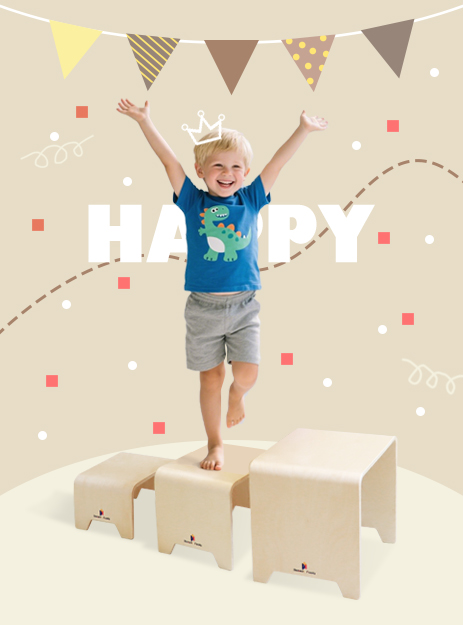
If you already share tips on sleep routines, playrooms, or toddler meals, you can layer in a lightweight store without becoming “salesy.” Inventory?less e?commerce lets you integrate a curated catalog and have items shipped directly from the supplier, while your blog remains value?first.
Plan the bridge from content to commerce: publish helpful posts such as “How to set up a Montessori reading nook,” then link to a short collection of complementary products (e.g., a wooden kids stool, a low toddler table and chairs). Add a transparent note: “Fulfilled via dropshipping—ships from U.S. warehouse,” so readers know what to expect.
Damoch Family products fit well for a micro?store because they’re SGS?tested and are built for everyday use. Create a “Start Here” page that outlines sizing, materials, and care. Use comparison charts (e.g., stool heights for ages 1–6) to guide decisions.
Monetization stack: affiliate?style margins through dropship wholesale, optional bundles (table + mat), and seasonal guides (back?to?school, holiday). Keep promotions moderate: aim for 80% education / 20% product. Over time, your authority rises because parents trust your tutorials and checklists more than ads. That trust is your greatest conversion lever—and it’s compatible with retail without inventory.