2025-12-12
As awareness of environmental issues grows, many parents are rethinking the materials used in their children’s products. Choosing sustainable furniture isn’t just good for the planet — it’s often healthier and safer for kids, too.
1. Look for Certified Wood: Furniture made from FSC-certified or responsibly sourced wood helps preserve forests and biodiversity. It also ensures quality and durability compared to cheap particleboard.
2. Non-Toxic Finishes Matter: Eco-friendly finishes are low in VOCs (volatile organic compounds), which can affect indoor air quality. For children’s rooms, prioritize non-toxic paints, stains, or clear coats.
3. Durability Equals Sustainability: Long-lasting furniture reduces waste. A sturdy piece that adapts to your child’s growth can replace several cheaper items over time.
4. Avoid Excessive Plastics: Plastic furniture may be inexpensive but often cracks, warps, or leaches chemicals. Natural materials like wood, bamboo, and cotton age better and can be repaired.
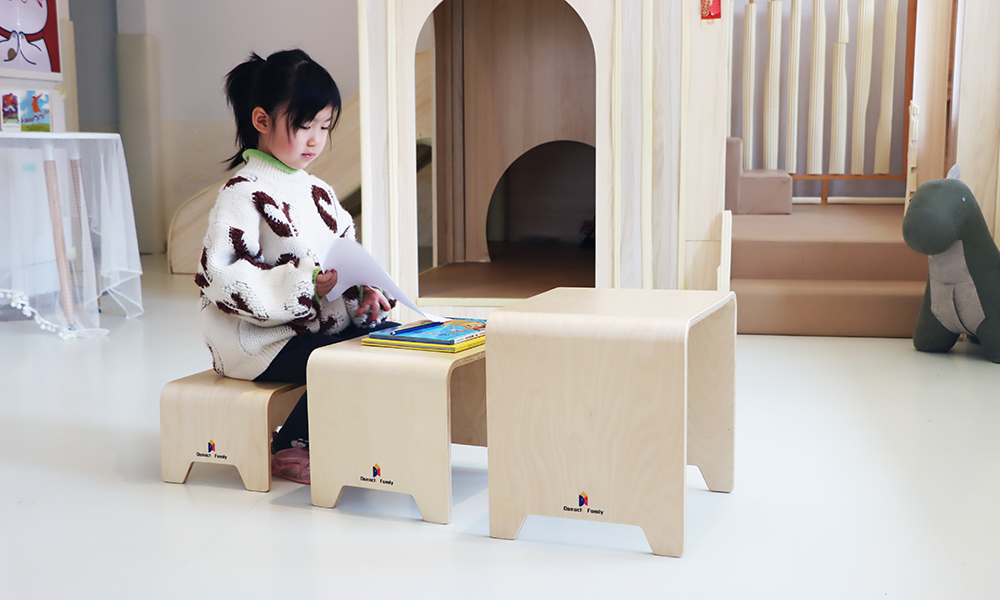
The Damoch Family Nature Wooden Kids Stool Set demonstrates these principles with its bentwood plywood construction, non-toxic finishes, and versatile design that grows with your child. Whether or not you choose this specific set, looking for responsibly sourced wood, safe finishes, and adaptable designs will help you create a healthier, more sustainable home for your family.
Find Damoch Family on Amazon.