2025-12-09
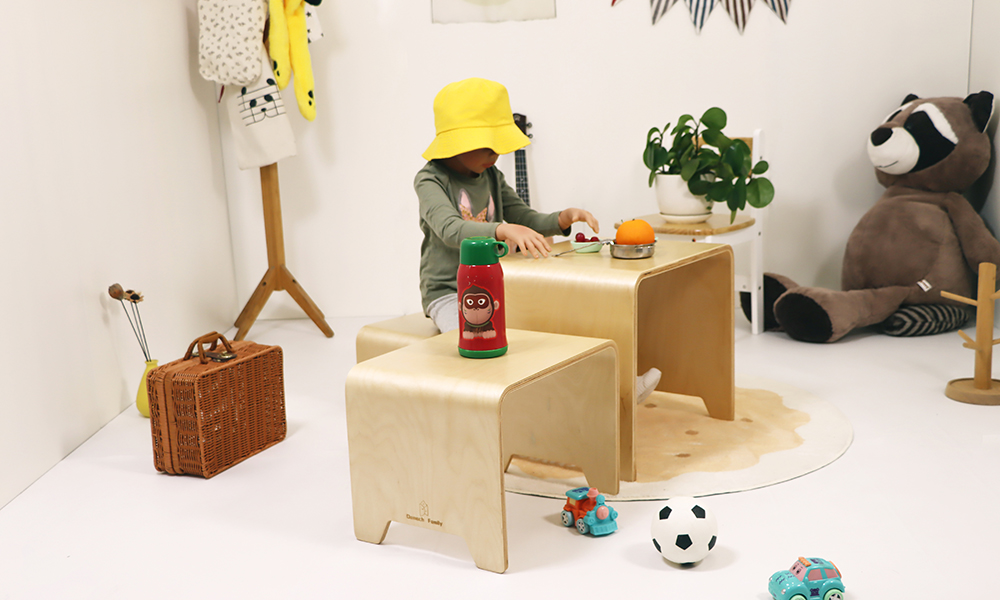
Multi-functional furniture is a parent’s best friend. It reduces clutter, saves money, and gives your child a versatile environment to learn and play. But to get the most out of these pieces, arrangement matters just as much as the furniture itself.
1. Start with Open Floor Space: Place larger items against walls so the middle of the room stays free. This creates a safe area for movement and imaginative play.
2. Group by Activity Zones: Designate one corner for art, another for reading, and another for active play. Multi-functional furniture can migrate between these zones as needed, teaching children to think of furniture as flexible rather than fixed.
3. Keep Storage Nearby: Put baskets or shelves within arm’s reach of each zone. When children can access supplies and clean up easily, they’re more likely to do it themselves.
4. Allow for Rotation: Switch furniture around occasionally to freshen the space and inspire new activities. For example, a stool used as a side table one week could be a play counter the next.
A good illustration is the Damoch Family Nature Wooden Kids Stool Set — three stackable stools of varying sizes that can act as chairs, step stools, or a toddler table. By moving the pieces between zones, you create a dynamic space without adding more furniture.
With a thoughtful layout and a willingness to experiment, multi-functional pieces help you make the most of any room — and keep your child’s environment stimulating, organized, and safe.
Find Damoch Family on Amazon.