2025-11-26
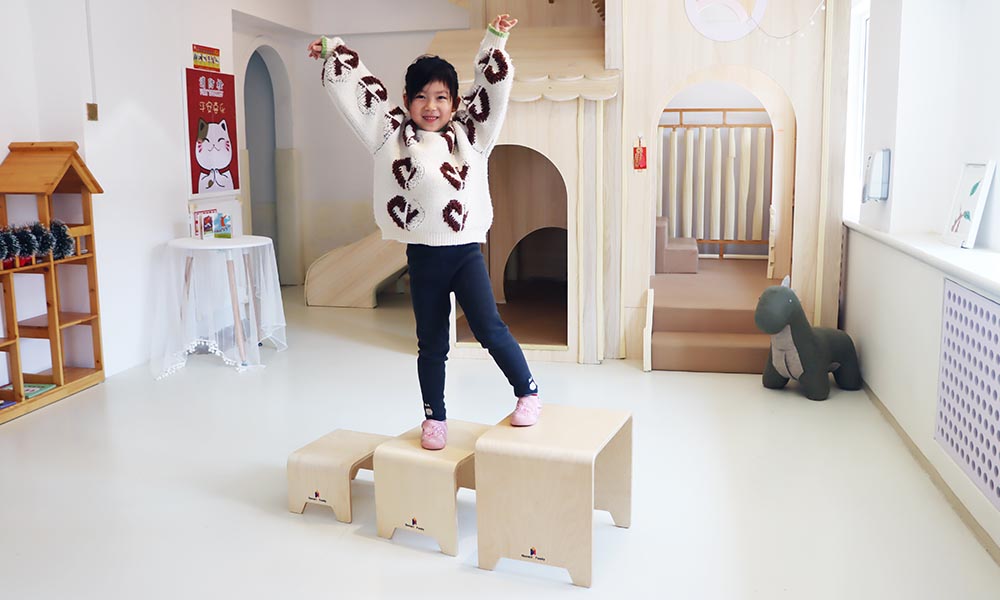
A calm environment helps children focus, feel secure, and engage more deeply in play or learning. But creating a serene space for kids doesn’t mean sacrificing fun — it means being intentional about layout, colors, and furniture choices.
1. Choose a Neutral Base: Soft, natural tones on walls and floors set a calm backdrop. Add color through small, interchangeable items like cushions, rugs, or art instead of permanent fixtures.
2. Minimize Visual Clutter: Keep surfaces clear and display only a few toys or books at a time. An uncluttered environment helps children settle into activities more easily.
3. Provide Defined Zones: Create clear areas for reading, art, eating, and active play. This helps kids understand what each space is for and transitions them smoothly between activities.
4. Select Natural Materials: Wood, cotton, and wicker add warmth and texture while avoiding the overstimulation of bright plastics. They also age better and are usually sturdier.
5. Opt for Child-Sized, Flexible Furniture: Furniture scaled to your child’s size makes them feel comfortable and independent. Lightweight pieces let them rearrange spaces to suit their needs. For example, a set like the Damoch Family Nature Wooden Kids Stool Set — three stackable stools that double as chairs, step stools, or a mini table — shows how one piece can adapt to different zones while maintaining a calm aesthetic.
With these principles, you can design a children’s area that’s soothing yet stimulating, organized yet inviting — a space where your child can thrive emotionally and creatively.
Find Damoch Family on Amazon.